How can we help you?
The limbic system
Which controls emotions.
The brain stem
Which controls automatic functions, like breathing.
The spinal cord
Which transmits sensations to the body.
Taking more opiates than prescribed or obtaining and using opiates illegally are key warning signs of prescription drug addiction. Eventually, addiction will create physical complications and significant distress in employment, relationships, and social life. Additionally, if you take too many opiates, you run the risk of an overdose. Without medical help, an overdose can be deadly. It is best to seek treatment from an opiate addiction treatment center to avoid this from occurring.
Many people don’t realize that the prescription opiates their doctor prescribed after a surgery or a severe injury are incredibly addictive. Unfortunately, addiction to prescription opiates can lead to other substance use disorders, so it’s often best to seek treatment as soon as possible. If you or someone you love is battling an addiction to opiates, please reach out to Lakeview Health today at 904 531 3505.
Opiate withdrawal symptoms
Once opiates are removed from the body, the brain’s neurological response is immediate. Within hours, the nervous system responds to the lack of opiates and begins overproducing its own endorphins, sending the body into withdrawal. Opiate withdrawal symptoms begin 48-72 hours after an individual’s last use and can last from one to two weeks. Withdrawal is based upon frequency and duration of use. Some may experience post-acute withdrawal symptoms and psychological withdrawal with some manifestations of physical sickness up to 6 months after the initial physical withdrawal.
Physical withdrawal symptoms
- Muscle, bone or joint pain
- Restlessness
- Insomnia
- Diarrhea
- Abdominal cramping
- Involuntary leg movements
- Vomiting
Psychological withdrawal symptoms
- Anxiety
- Depression
- Clouded thinking
- Irritability
- Psychosis (in extreme cases)
- Impulsiveness
If you don’t have support throughout the process, these symptoms can be overwhelming and may be dangerous. Therefore, it’s best to work with an opiate detox program to monitor your condition. Opiate detox symptoms can be managed with the proper dispensation of several drugs to minimize the physical sensations of withdrawal. Some examples include methadone, which may only be administered in a licensed drug addiction treatment center. These medications include clonidine, naltrexone, and Suboxone. These medications are merely examples and do not reflect the specific drug used for any individual’s opiate detoxification.
What happens in an opiate detox center?
Patients will be thoroughly evaluated and monitored at a licensed medical detox center during the opiate detox process. This treatment is crucial because preexisting medical conditions and any psychological issues will determine the detox treatment program. The addict may receive medication for opiate withdrawal to assist with comfort during opiate detox.
At Lakeview Health, our 24-hour, 7-day-a-week medical staff is available to help you move through the opiate detox process with all the attention you require. Your journey back to recovery begins with the correct detoxification program followed by a drug treatment program.
Opiate addiction treatment
Attending drug rehab after opiate detox helps the addict build additional sober time away from their home environment. Addressing physiological and psychological issues decreases risks for relapse while allowing the addict to explore underlying problems with addiction treatment trained staff.
Lakeview Health enables you to make a seamless transition from detoxification straight into our inpatient treatment programs. Our programs are custom-tailored to your specific needs and drug addiction.
Through a variety of evidence-based therapies and modalities, you are able to learn coping mechanisms, life skills, and even pain management techniques to help you avoid relapse. Our alumni program provides ongoing support even after your treatment plan is complete.
We also understand how an opiate addiction can impact the family as a unit, not just the individual struggling with addiction. This is why we provide family therapy programs to help all members heal and recover from this harmful disease.
Treatment options
At Lakeview Health, we provide a range of treatment options, which we can tailor to each person’s unique needs. For instance, our treatment options include:
Residential treatment
During this treatment option, you have the opportunity to live at our treatment center around the clock for a month or more. This option is ideal for people who have a severe addiction.
Partial hospitalization programs
If you’ve already completed an inpatient or residential treatment program, the next step is a PHP. Partial hospitalization programs allow you to attend treatment for several hours each day but go home at night.
Intensive outpatient programs
IOPs are an excellent option for those who have mild addictions. Within the care of an intensive outpatient treatment program, you’ll attend treatment a few days a week.
Outpatient program
Once you enter an outpatient treatment program, most of the time, you’ll only participate in one or two treatment sessions a week.
Aftercare
Alumni programs, or aftercare, is not a traditional treatment option. However, it is helpful in providing support and coping mechanisms after you leave another treatment program.
With each of these treatment options, our staff walks you through the challenges and triumphs that you face on a day-to-day basis. You also have the opportunity to work with other people in our treatment center. Working with the people around you can give you insight into the next steps in the recovery process.
Our team also offers dual diagnosis treatment. In many cases, opiate addiction can link to mental health conditions. Our dual diagnosis treatment program can address both conditions simultaneously, giving you the support you need to overcome these challenges.
Therapeutic options
Recovery from addiction isn’t only about physically staying free of opiates. It is also necessary to make healthy behavioral and mental changes. Thoughts often impact how we behave, so inherently, counseling and therapeutic options must be an integral part of the recovery process. With behavioral therapy, you can access a range of benefits, as it provides an incentive for you to remain sober and allows you to relearn how to live life without drugs or alcohol. It is also possible to gain coping mechanisms for stress and addiction triggers.
We offer a variety of therapies at our opiate addiction treatment programs. Some of these therapies are evidence-based treatments. Experts in addiction treatment have extensively reviewed these treatment programs and showed that these programs have been effective in treating addiction. In addition, we also provide holistic treatment options, which address addiction’s impact on a person’s mind, body, and soul. Each treatment offers distinct benefits and can be effective in a range of situations. Our therapeutic options include:
We tailor each person’s therapeutic programs to their unique needs, which ensures the best chance of success in treatment. If we determine that the treatment is not effectively addressing your needs, we’ll work with you until you see the progress you deserve.
Contact Lakeview Health
Prescription medications and other opiates have ruled your life for long periods of time, but you don’t have to live with an addiction with the help of our quality treatment center. When you work with Lakeview Health’s opiate addiction treatment program, you can move forward into a better, brighter future. Our team strives to help you succeed throughout your addiction treatment program by providing care, support, and assistance. We help you set new goals and provide the life skills that will help you stay sober outside of treatment. We know that you become sober with our help. Contact Lakeview Health today at 904 531 3505 for our admissions process and to begin with our treatment programs.
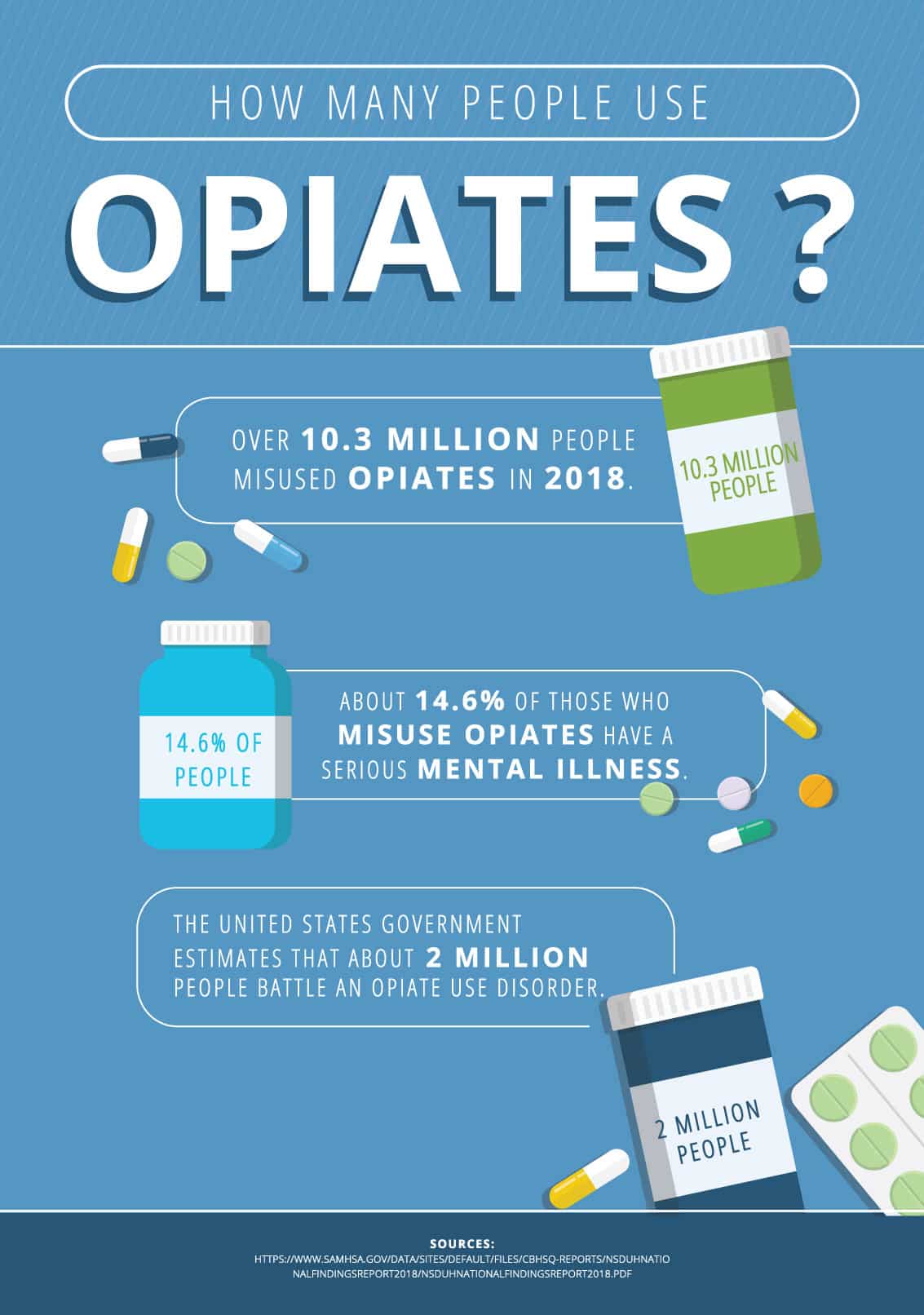
When you are struggling with a substance abuse disorder like tens of millions of Americans, you can sometimes feel lost, frustrated, or alone. Addiction is not an indication of poor willpower. Addiction is a progressive, chronic, and potentially fatal disease that can impair your judgment, change your brain chemistry, and damage your physical health. Abusing drugs and alcohol increases your chances of experiencing a fatal overdose. Sadly, drug overdoses are the leading cause of accidental death in the country, demonstrating the severe outcomes addiction can lead to.
Here at Lakeview Health our team of difference makers understand the importance of educating oneself about how to recognize the signs of addiction and learning what treatment options are available.
Contact Us
Safe, comfortable treatment is possible!
Call now and start your healing with Lakeview Health today.
"*" indicates required fields