What is Marijuana Addiction?
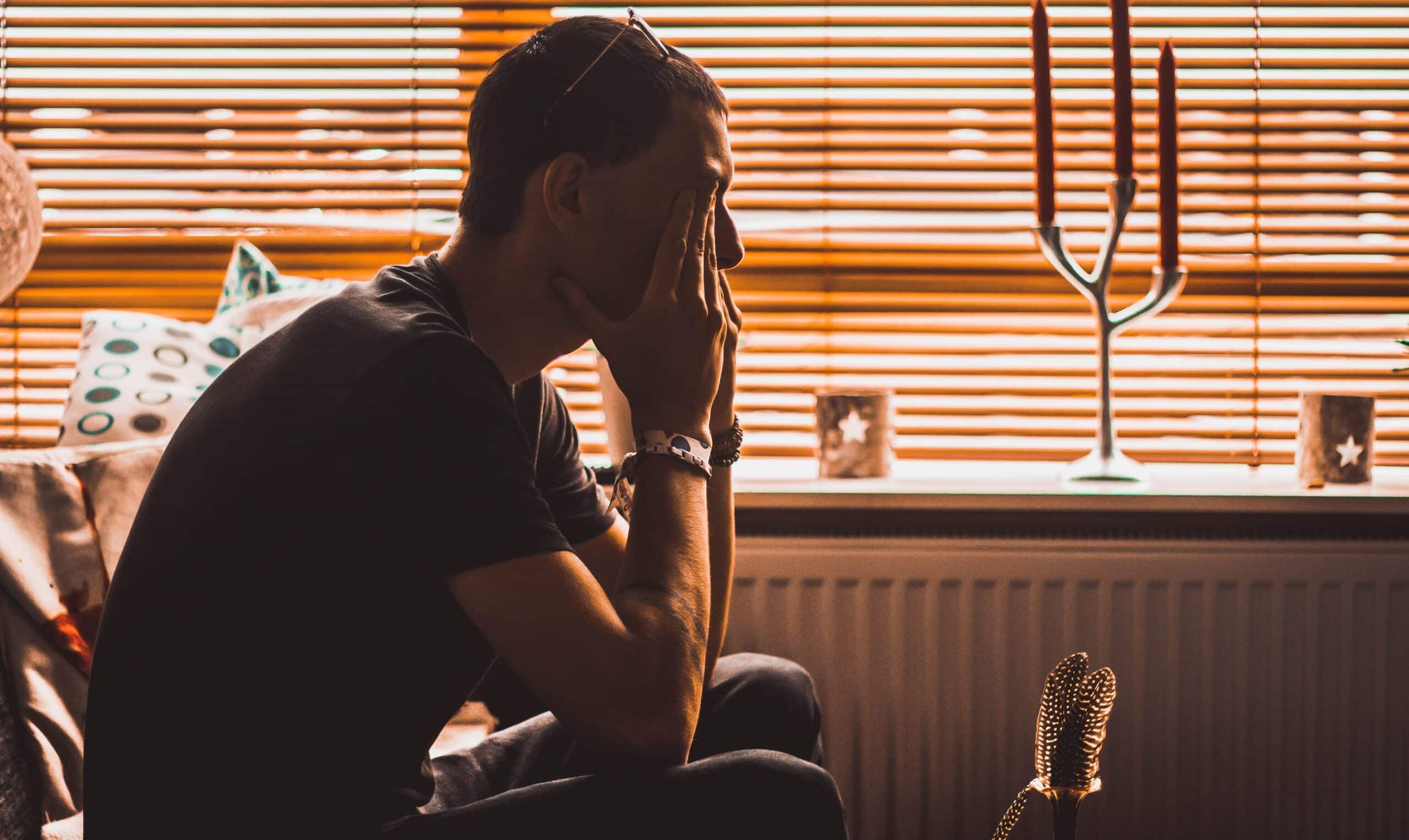
People who smoke cannabis to cope with uncomfortable emotions will alter their lifestyle to accommodate their habit.
4.3 million Americans used marijuana in 2008. It is the most commonly used illicit drug in the nation. Fifteen percent of people entering drug abuse treatment programs reported marijuana as their primary drug of abuse. The National Institute on Drug Abuse published a report stating there is a link between marijuana abuse and psychosis. Marijuana can either trigger a psychotic episode or worsen a mental illness, such as schizophrenia. Dependence occurs when an addict is using marjuana regularly to alter his or her mood. The body becomes adapted to having the drug in their system. Without it, various uncomfortable feelings may appear. Family members or friends of those who regularly use marjuana often complain that the marijuana user has changed. The person may not seem as interested, social or energetic while in conversation or hanging out. People who smoke cannabis to cope with uncomfortable emotions will alter their lifestyle to accommodate their habit.
Marijuana Withdrawal Symptoms
Marijuana withdrawal does not typically have a strong impact on physical function, so it has a more subtle withdrawal process. After ceasing marijuana use, an individual will usually begin to feel the opposite way he or she felt while using the drug.
| Physical Withdrawal Symptoms | Psychological Withdrawal Symptoms |
|
|
Chronic marijuana use can make addicts vulnerable to issues including mental health disorders, addiction and stress-related problems. It also causes testosterone depletion which creates gynecomastia (development of breast tissue) in men. Treatment for marijuana dependence may take some time as psychological symptoms may linger.
Marijuana Rehab Program
All our treatment programs are located in our drug rehab center in Florda and start with detox followed by treatment. After medical detox, an addict should enter inpatient drug rehab for the opportunity to be educated about relapse prevention, learn how to manage unwanted feelings without the use of drugs. This will help motivation, direction and goal setting. Entering addiction treatment for marijuana dependence begins with inpatient drug rehab for the stabilization of mental health and/or physical ailments, which may be present. The addict will have the support of the treatment team staff to help him or her proceed in maintaining recovery.